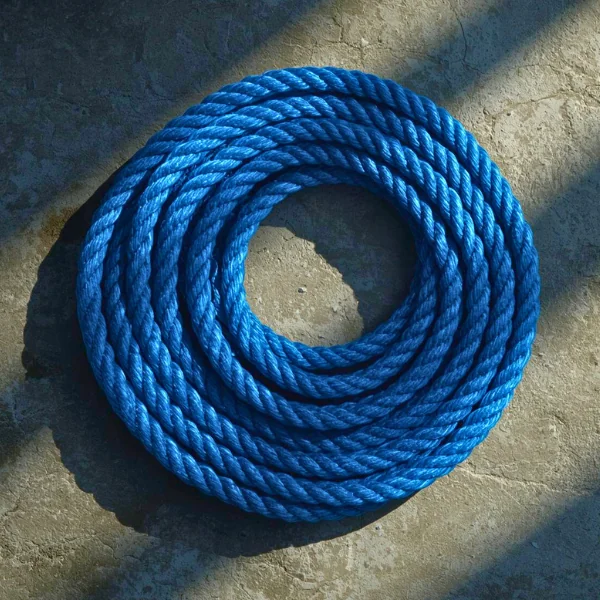
Polypropylene Rope
Polypropylene Rope is a lightweight, weather-resistant synthetic rope used for lifting, securing, rigging, marine tasks, and general construction work.
Description
Polypropylene Rope is a durable, synthetic fibre rope widely used in construction, marine handling, agriculture, transport, and general utility tasks. Made from high-tenacity polypropylene filaments, it offers low water absorption, rot resistance, and strong handling characteristics, making it reliable for outdoor environments and wet applications.
Its twisted or braided construction provides stable knot-holding, while the material stays buoyant in water — ideal for boating, mooring, and site work where floating ropes improve safety and visibility. Polypropylene fibres resist abrasion, moisture, and chemicals, ensuring dependable performance across lifting, securing, and barrier-control tasks.
This rope is chosen for its versatility, easy handling, and favourable strength-to-weight ratio, making it suitable for builders, landscapers, contractors, and general users needing a dependable everyday working rope.
Installation Guide:
Choose correct diameter based on load requirement
Cut rope cleanly using a hot knife or blade to prevent fraying
Seal cut ends with heat or tape to maintain durability
Tie suitable knots for lifting or securing (bowline, figure-eight, etc.)
Store rope dry, coiled neatly, and protected from direct sunlight
What Is the Loading Capacity of Polypropylene Rope?
Polypropylene rope does not have a fixed universal load rating, because its strength depends on the rope diameter, construction (3-strand, braided), and manufacturing standard.
However, the construction industry generally follows these typical safe working load (SWL) ranges:
Approximate Safe Working Loads (SWL) for Polypropylene Rope
(Based on common 3-strand PP rope used in the UK market)
6mm PP Rope: ~55–70 kg SWL
8mm PP Rope: ~95–120 kg SWL
10mm PP Rope: ~150–180 kg SWL
12mm PP Rope: ~220–260 kg SWL
14mm PP Rope: ~300–350 kg SWL
16mm PP Rope: ~420–500 kg SWL
These numbers are industry-typical (and vary by manufacturer), but they give buyers a realistic and safe expectation.
Very Important Warning
Polypropylene rope is NOT certified lifting gear, and therefore:
It must NOT be used for:
Hoisting loads over people
Industrial lifting (cranes, hoists, slings)
Load-bearing safety applications
Elevated load handling where LOLER compliance is required
PP rope melts at low temperatures, deteriorates under UV, and stretches under load, so it cannot replace lifting-rated equipment like polyester slings or steel wire ropes.
Is Polypropylene Rope Safe for Climbing?
Polypropylene rope is not suitable or safe for climbing, abseiling, rescue work, fall-arrest systems, or any load involving human suspension. It lacks the dynamic stretch, abrasion resistance, and sheath strength required for climbing equipment. Polypropylene fibres also degrade under UV exposure, lose strength when knotted, and can fail under sudden shock loads.
Climbers should only use certified EN 892 dynamic ropes or EN 1891 static ropes, which are designed to absorb impact forces and prevent catastrophic failure during falls.
Related Products
Browse all products to find more items in this category.